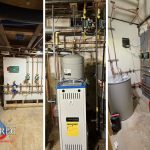
Most homeowners face this decision at the worst possible time, when their current unit has already failed or is clearly on its way out, and they need an answer fast. Tank or tankless. The salesy version of this conversation usually goes one way: tankless is newer, tankless is better, here’s why you should upgrade. The honest version is more complicated than that, and it depends on factors specific to your house, your household, and what Massachusetts winters actually ask of a water heater.
If you’re weighing this decision alongside a water heater repair in Chelmsford, MA, or trying to get ahead of a unit that’s showing signs.
Here’s what you actually need to know before committing either way.
How do the Two Systems Work?
A standard unit stores hot water in a large, insulated cylinder so it is ready for immediate use. Conversely, an on-demand (tankless) system heats water instantly only as it flows through the unit toward your tap. This fundamental difference affects everything from your available storage space to your energy consumption during a January cold snap.
Traditional tanks must keep fifty or more gallons hot 24/7, even while you sleep. This “standby” heating cycle consumes extra energy as the unit fights against the cold air of a New England basement. Tankless versions remain dormant until they detect water flow, firing up only when you actually need a warm shower. Both designs have unique strengths that depend heavily on your specific house layout and hot water demands.
- Footprint: Storage tanks are bulky, requiring significant floor space. Tankless systems mount neatly on a wall, freeing up square footage for storage or other appliances.
- Efficiency: Traditional tanks suffer from standby heat loss. As the basement air cools the metal tank, the burner must re-fire to maintain the target temperature.
- Availability: A tank provides a quick, massive “dump” of hot water, while a tankless system provides a steady stream that never runs out.
Which One Is Actually Right for Your House?
The best choice depends on balancing your daily water usage against your upfront budget. While tank units are initially more affordable to install, they are more expensive to operate over the long term.
1. Assessing Your Initial Installation Budget
Money is often the deciding factor when a water heater is not working and forces a quick decision. Traditional storage tanks are the clear winners for lower starting costs. You will spend significantly less on the unit itself and the labor required for a standard swap.
- Tank Costs: Most installations by a licensed local professional fall well under $2,000, making them ideal for tight budgets.
- Tankless Costs: These units often start at $3,000. The higher price reflects the complex venting and gas line modifications often required to support high-output burners.
- Rebates: Massachusetts residents can often offset these costs through Mass Save programs, which offer incentives for high-efficiency upgrades.
2. Examining Your Daily Hot Water Demand
Families with teenagers understand the struggle of back-to-back morning showers.
- High-Volume Needs: Large families who use multiple bathrooms simultaneously may prefer a high-capacity storage tank. These units can deliver large volumes of water to multiple taps simultaneously without a pressure drop.
- Continuous Needs: Smaller households or those with massive soaking tubs will love tankless systems. You can fill a 100-gallon tub without ever worrying about the water turning cold halfway through.
3. Long-Term Energy Savings and Lifespan
Nobody wants to be searching for a water heater repair near me every few years.
- Durability: Traditional tanks usually last 10 to 12 years before the metal drum corrodes. Modern tankless systems can easily last 20 years with routine annual flushing.
- Utility Bills: Tankless units can slash energy usage by nearly 30% compared to older tanks sitting in chilly basements. In a state with high energy rates like Massachusetts, these savings add up quickly.
When Should You Call for Water Heater Repair in Chelmsford, MA?
Ignoring a minor symptom today almost always leads to an emergency water heater repair in Chelmsford, MA, the next day. You should call for a professional assessment immediately if you notice:
- Rusty Water: Discoloration in your hot water suggests the tank’s internal lining is deteriorating and could crack at any time.
- Rumbling or Popping: This indicates severe hard-water sediment buildup. Trapped water beneath the sediment boils, causing “scary” noises and overheating the tank bottom.
- Gas Odors: A rotten-egg smell near your unit is a sign of a dangerous leak. Evacuate the area and call a professional immediately.
Your Water. Your Home. One Call to Get It Right.
Deciding between a tank and a tankless water heater comes down to your home’s unique needs. A traditional setup is a reliable, affordable fix for immediate needs, while a tankless system is a long-term investment in energy efficiency and endless comfort.
If you’re still unsure which path to take, the team at Ciardi Plumbing is here to help. We can thoroughly inspect your current plumbing and recommend the perfect fit for your lifestyle. Contact us today for fast water heater repair in Chelmsford, MA, or to schedule your next installation.
Available 24/7 for water heater repair and replacement across the Merrimack Valley & North Shore.